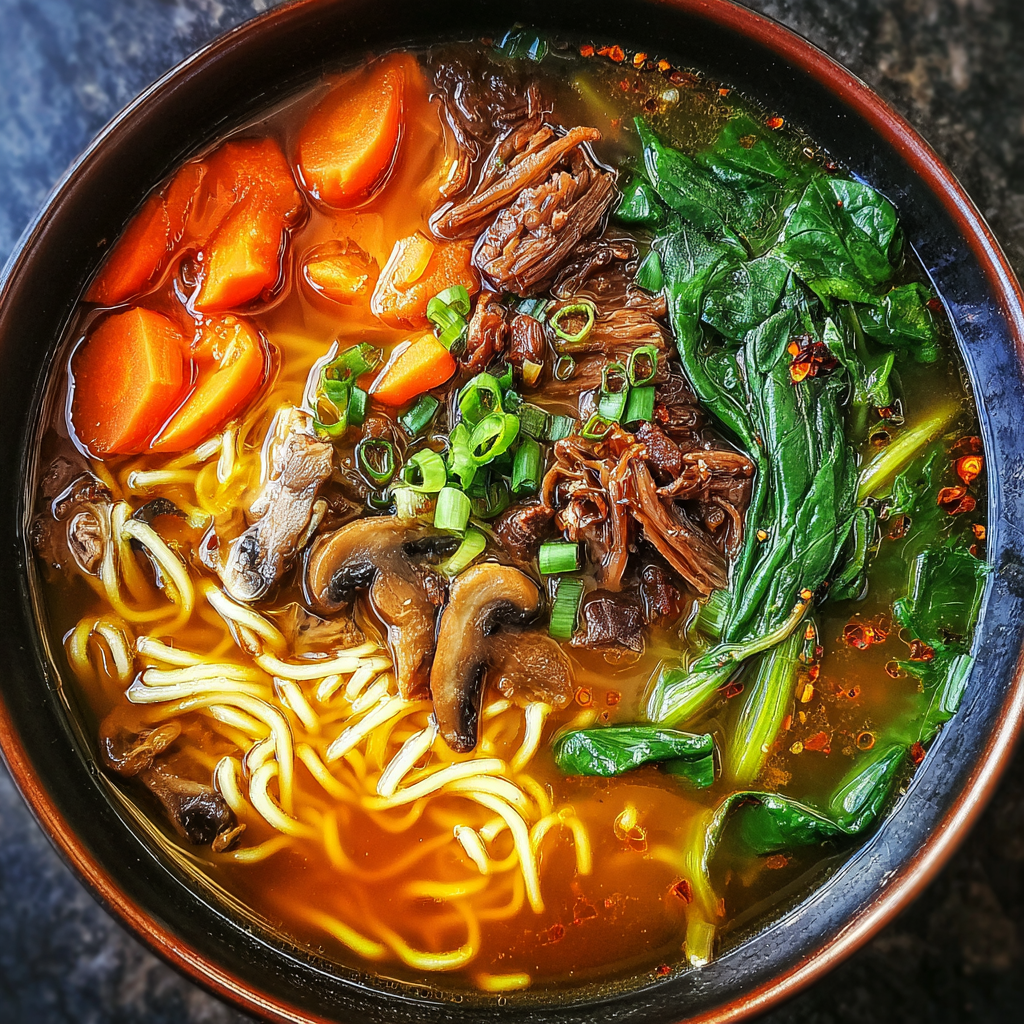
Step into the comforting world of authentic Asian-inspired beef bone broth soup. This deeply flavorful and incredibly nourishing dish is a staple in many cultures, celebrated for its rich taste and impressive health benefits. Our easy-to-follow recipe guides you through crafting a hearty, warming bowl that’s perfect for any day. Get ready to enjoy a delicious beef bone broth soup, packed with wholesome ingredients and incredible aroma.
Why You’ll Love This Beef Bone Broth Soup
You’ll love this beef bone broth soup for its incredible qualities:
- Deep, Umami-Rich Flavor: Experience a broth simmered to perfection for days, delivering unparalleled depth and savory taste. Slow cooking extracts every wonderful essence from the bones and aromatics.
- Incredibly Nourishing: Packed with beneficial collagen, essential minerals, and amino acids, this soup supports gut health and boosts immunity. It’s truly a healing elixir for your body.Research highlights how bone broth, rich in essential nutrients, supports overall wellness and provides a delicious way to boost your diet. Learn more about how bone broth supports gut health and boosts immunity.
- Comforting & Satisfying: Each warm spoonful offers profound comfort and contentment, making it the ultimate soul-soothing meal on any chilly day. It truly feels like a hug in a bowl.
- Customizable Delight: Easily adjust ingredients, proteins, and toppings to perfectly suit your family’s preferences. Every bowl can be uniquely yours and catered to individual tastes.
- Soothing Aroma: Fill your entire home with the inviting, warm fragrance of star anise, cinnamon, and slow-cooked goodness as it gently simmers. This aroma alone is wonderfully calming.
Ingredients for Beef Bone Broth Soup
Crafting a truly authentic and delicious beef bone broth soup starts with selecting the right foundation. This recipe calls for a balance of robust bones and aromatic spices to build a deeply flavorful base. Here’s everything you’ll need for both the rich broth and the final satisfying soup assembly.
For the Bone Broth:
- Beef marrow or knuckle bones (2 kg)
- Large carrot (1, roughly chopped)
- Yellow onion (1, roughly chopped)
- Star anise (2)
- Cinnamon stick (1)
- Whole black peppercorns (10)
- Garlic cloves (1, minced)
- Fresh ginger (15g, grated or finely chopped)
- Cold water (enough to cover)
For the Soup Assembly:
- Chili oil (2 tbsp)
- Soy sauce (2 tbsp)
- Shaoxing wine (2 tbsp)
- Sesame oil (1 tsp)
- Fish sauce (to taste)
- Pho noodles (300g, or any Asian noodles)
- Shiitake mushrooms (200g, sliced)
- Carrots (3, sliced)
- Fresh spinach (to taste)
- Green onions/scallions (to taste, sliced)
- Optional: Fresh chili, cilantro (for garnish)
Notes & Substitutions
- Bone Types: For the richest, most gelatinous broth, prioritize beef marrow bones and knuckle bones. They release ample collagen and flavor during the long simmer, contributing to a truly nourishing beef bone broth soup.
- Aromatic Swaps: While star anise and cinnamon are classic, you can add other whole spices like cardamom pods, white peppercorns, or bay leaves for different aromatic nuances.
- Noodle Choices: Pho noodles are traditional, but ramen noodles, thin rice vermicelli, or even wider udon noodles can make delicious alternatives for your soup.
- Vegetable Flexibility: Customize your beef bone broth soup with other vegetables like crisp bok choy, thinly sliced daikon radish, or shredded Napa cabbage for added texture and nutrients.
- Gluten-Free Option: Use tamari or a certified gluten-free soy sauce to ensure your beef bone broth soup is suitable for gluten-sensitive diets.
Equipment You’ll Need
Gathering your tools beforehand makes cooking a breeze. You’ll need a large stock pot or Dutch oven, ideal for slow simmering the bones to extract maximum flavor. A fine-mesh sieve or colander helps strain the broth perfectly. Have large mixing bowls, a sturdy cutting board, and a sharp knife ready for preparation. A roasting pan or wok is perfect for preparing vegetables. Finally, prepare your favorite serving bowls.
How to Make Beef Bone Broth Soup (Step-by-Step)
Follow these clear, easy steps to create your deeply flavorful beef bone broth soup:
- Prepare Bones: Thoroughly rinse your beef marrow or knuckle bones under cold water. This crucial step helps remove any lingering impurities, ensuring a cleaner and clearer broth. Pat them completely dry with paper towels before moving to the next stage.
- Sear Bones: Place a large stock pot or Dutch oven over high heat. Add a splash of neutral oil. Sear the bones vigorously until they are deeply browned on all sides, about 5-7 minutes. This browning step is essential as it builds incredible foundational flavor for your beef bone broth soup.Understanding the Maillard reaction reveals how proper browning techniques elevate culinary creations, producing rich flavors and aromas. Explore the science behind how the Maillard reaction builds incredible foundational flavor.
- Add Aromatics: To the pot, add the roughly chopped carrot and onion, minced garlic, grated ginger, star anise, cinnamon stick, and whole black peppercorns. Sauté these aromatics for a minute or two until their fragrant oils are released and you can smell their wonderful scent.
- Cover with Water: Pour enough cold water into the pot to fully submerge all the bones and aromatics. Ensure everything is well covered by at least an inch of water to allow for evaporation during simmering.
- Simmer Broth: Bring the pot to a gentle simmer over medium-high heat. Watch carefully to prevent a rolling boil, as this can make your broth cloudy and affect its final appearance.
- Skim Impurities: As the broth heats, foam and scum will naturally rise to the surface. Use a ladle or a fine-mesh spoon to carefully skim and discard these impurities throughout the first few hours. This action significantly helps to keep your beef bone broth soup wonderfully clear and flavorful.
- Long Simmer: Reduce the heat to the lowest possible setting, ensuring a very gentle, bare simmer. Cover the pot partially and cook for a substantial 24 to 72 hours. Check the water level occasionally and add more hot water if it dips too low, ensuring bones remain submerged throughout the long cook.
- Strain Broth: Once simmered, carefully remove the bones and discard them. Pass the finished bone broth through a fine-mesh sieve into a clean container, discarding all solids to achieve a smooth and pristine broth.
- Prepare Vegetables: While the broth simmers, get your vegetables ready. Slice your three carrots into thin rounds and thinly slice the shiitake mushrooms for even cooking and appealing presentation.
- Cook Vegetables: Preheat your oven to 180°C (350°F). Toss the sliced carrots and mushrooms with a light spray of oil and a pinch of salt. Roast them for about 15 minutes, or sauté them in a wok until tender and slightly caramelized, which enhances their natural sweetness and texture.
- Prepare Noodles: Soak the pho noodles in cold water for at least 60 minutes to soften them properly. Just before serving, bring a pot of water to a rolling boil. Add the soaked noodles and cook for only 1 minute, then drain immediately to prevent overcooking.
- Season Broth: Return the strained broth to a clean pot. Stir in the chili oil, soy sauce, Shaoxing wine, sesame oil, and a dash of fish sauce to taste, adjusting until the flavor is perfectly balanced. Reheat gently.
- Assemble Soup: Arrange the cooked pho noodles and roasted vegetables neatly in preheated serving bowls. This careful arrangement creates an inviting and appealing presentation for your finished dish.
- Pour Broth: Ladle the hot, richly flavored beef bone broth soup generously over the arranged noodles and vegetables. The residual warmth will gently wilt the fresh spinach perfectly into the soup.
- Garnish: Top your bowls with fresh spinach leaves and thinly sliced green onions (scallions) for freshness and color. For extra heat and brightness, add fresh chili or cilantro as desired by each diner.
Pro Tips for the Best Beef Bone Broth Soup
Achieving the perfect beef bone broth soup is simple with these expert tips, ensuring a flavorful and nourishing result every time:
- Bone Quality Matters: Use good quality bones from grass-fed sources if possible. Roasting them first significantly deepens the flavor profile and color.
- Consistent Skimming: Regularly skim the foam during the initial simmer for a clearer, cleaner broth. This removes impurities that can cloud the liquid.
- Gentle Simmer: Maintain a very low, gentle simmer. A rapid boil can make the broth cloudy and extract unwanted, bitter flavors from the bones.
- Season Gradually: Taste and adjust seasonings (salt, fish sauce) toward the end of the cooking process, as flavors concentrate significantly over time.
- Preheat Bowls: Warm your serving bowls with hot water before assembly. This keeps your beef bone broth soup warmer longer, enhancing the dining experience.
- Clarify Straining: For an extra clear broth, line your sieve with cheesecloth before straining. This catches even the smallest particles.
Serving Suggestions, Storage & Variations
Serving Ideas
- Fresh Herbs: Offer additional fresh cilantro, mint, or basil on the side for a fragrant lift and burst of fresh flavor.
- Citrus Zest: Serve with lime wedges. A squeeze of fresh lime juice at the table brightly enhances the flavors of your beef bone broth soup.
- Adjustable Heat: Provide extra chili oil, sriracha, or sliced fresh chilies for those who enjoy more spice and a personalized kick.
- Soy Sauce: Keep a bottle of soy sauce or fish sauce on the table for individual seasoning adjustments to taste.
Storage Instructions
- Refrigerate Broth: Store plain broth in an airtight container in the refrigerator for up to 5 days. Ensure it cools completely before storing.
- Freeze Broth: For longer storage, freeze cooled broth in freezer-safe containers or ice cube trays for several months. Label clearly with the date.
- Separate Components: Store cooked noodles and vegetables separately from the broth to maintain optimal texture and prevent sogginess.
Recipe Variations
- Protein Swap: Experiment with thinly sliced leftover steak, shredded chicken, or even pan-fried tofu for different protein options.
- Noodle Alternatives: Try ramen noodles, glass noodles, or zucchini noodles for a low-carb alternative in your soup.
- Vegetable Boost: Add steamed bok choy, daikon radish, or snow peas during the last few minutes of cooking for more variety and nutrients.
- Spice Level: Adjust the amount of chili oil or add a pinch of white pepper for an extra kick of warmth and heat.
Is Beef Bone Broth Soup Healthy? (Nutrition Information)
Beyond its incredible taste, this beef bone broth soup is a nutritional powerhouse. It’s rich in gelatin and collagen, essential for healthy skin, hair, joints, and gut lining integrity. The slow simmering process effectively extracts vital minerals like calcium, magnesium, and phosphorus from the bones. This nutrient-dense broth supports gut health and immune function, making it a truly healing and restorative meal. Enjoy a delicious way to nourish your body with every bowl of beef bone broth soup.
Nutrition per Serving (Estimated)
| Nutrient | Amount |
|---|---|
| Calories | 350 kcal |
| Protein | 25 g |
| Fat | 15 g |
| Carbs | 25 g |
| Fiber | 3 g |
Beef Bone Broth Soup FAQ
Q: Can I use different types of bones?
A: Yes, you can. While marrow and knuckle bones are best for gelatin, a mix of beef ribs or even chicken bones adds complex flavor.
Q: How long does bone broth last?
A: Homemade beef bone broth soup can be refrigerated for up to 5 days. For longer storage, freeze it in portions for several months.
Q: Can I make this in an Instant Pot?
A: Absolutely! An Instant Pot reduces cooking time significantly, typically yielding similar rich, flavorful results in 2-4 hours of pressure cooking.
Q: Why is my broth cloudy?
A: Cloudy broth often comes from boiling too vigorously or not skimming impurities. Maintain a gentle simmer and skim foam for a clearer liquid.
Conclusion
You’ve now mastered the art of making a truly nourishing and flavorful homemade beef bone broth soup. This authentic Asian-inspired recipe, while requiring patience for the long simmer, richly rewards you with a deeply comforting and incredibly healthy meal. We hope this step-by-step guide empowers busy parents and beginners alike to confidently create delicious, restorative dishes at home. Get ready to enjoy the rich aromas and satisfying warmth of your homemade broth with loved ones.
Nourishing Beef Bone Broth Soup
Ingredients
Equipment
Method
- Rinse beef bones under cold water and pat dry.
- In a large pot, sear bones over high heat with oil until browned (5–7 mins).
- Add carrot, onion, garlic, ginger, star anise, cinnamon, and peppercorns. Sauté briefly.
- Add enough cold water to cover everything by 1 inch.
- Bring to a gentle simmer. Skim foam and impurities regularly for first hours.
- Reduce heat and simmer uncovered on low for 24–72 hours. Top up water as needed.
- Strain broth through a fine mesh sieve. Discard solids.
- Roast carrots and mushrooms at 180°C (350°F) for 15 mins, or sauté until tender.
- Soak pho noodles in cold water for 60 mins. Boil for 1 min before serving.
- Season broth with chili oil, soy sauce, Shaoxing wine, sesame oil, and fish sauce. Reheat.
- Arrange noodles and roasted vegetables in serving bowls.
- Ladle hot broth over. Add spinach and green onions. Garnish with chili or cilantro if desired.
Notes

Emily Thompson is a home cook and food enthusiast who believes that great meals bring families together. She loves exploring creative twists on classic American comfort food, always testing new ideas in her kitchen. Emily is passionate about sharing simple, practical recipes and time-saving tips to help busy people enjoy cooking at home. Her approachable style makes every dish accessible, delicious, and perfect for those seeking inspiration for everyday meals and special occasions. Find Emily’s latest creations and kitchen wisdom on yumeasymeals.com.