
Introduction
Japanese comfort food truly soothes the soul, and few dishes are as universally beloved as miso soup. This simple yet profoundly flavorful broth delivers a unique umami experience that warms you from the inside out. Get ready to create a truly authentic homemade miso soup that rivals your favorite restaurant. Our easy-to-follow guide ensures a delicious, healthy, and satisfying meal, perfect for beginners and busy parents alike. You will love how effortless this traditional Japanese staple is to prepare in your own kitchen.
Why You’ll Love This Miso Soup
This homemade miso soup brings incredible flavor and simplicity to your kitchen, a perfect addition to any meal.
- Rich Umami Flavor: Experience the deep, savory satisfaction of a proper dashi broth, perfectly balanced with delicate miso paste. For a deeper understanding of this fundamental Japanese taste, explore the concept of umami and its connection to dashi. This traditional Japanese broth base is truly unmatched.
- Quick & Easy to Prepare: From gathering ingredients to the first spoonful, this delightful dish comes together in just about 20 minutes, fitting perfectly into any busy schedule.
- Nutritious & Comforting: More than just delicious, it’s packed with gut-healthy probiotics, plant-based protein, and essential minerals, offering a wholesome and soothing meal or side.
- Customizable to Taste: Easily adjust ingredients like the type of miso, amount of tofu, or quantity of wakame seaweed to suit your personal preferences.
- Better Than Restaurant Versions: By controlling the quality of fresh ingredients, you’ll achieve a superior, fresher taste that often surpasses takeout options.
Ingredients
Creating the best miso soup starts with quality ingredients. Here’s what you’ll need for this flavorful recipe.
For the Dashi:
- Water: 4 cups (960 ml)
- Kombu: 1 piece (⅓ oz, 10 g; approximately 4×4 inches or 10×10 cm)
- Katsuobushi: 1 cup (packed dried bonito flakes)
For the Soup:
- Soft/Silken Tofu: 7 oz (kinugoshi dofu), cut into ½-inch cubes
- Miso Paste: 4 Tbsp (approx. 72g; we recommend Awase or Shiro Miso)
- Dried Wakame Seaweed: 1 Tbsp
- Green Onion/Scallion: 1 stalk, thinly sliced for garnish
Notes & Substitutions:
Dashi: Authentic dashi forms the soul of this soup. You can use homemade as specified, or opt for instant dashi granules or packets for ultimate convenience. For a vegan preparation, create a kombu-shiitake dashi.
Miso Paste: Awase miso offers a beautifully balanced flavor, a blend of white and red. Shiro (white) miso is milder and sweeter, while Aka (red) miso is stronger and more robust. Choose what suits your palate for your miso soup.
Tofu: While silken tofu is traditional, firm tofu also works well. Consider adding enoki mushrooms or thinly sliced daikon radish for extra texture and flavor.
Wakame: Dried wakame seaweed rehydrates beautifully. You can omit wakame if it’s not to your taste, or substitute with other fresh greens like spinach added at the very end.
Equipment
You don’t need fancy tools to make this delightful miso soup. Gather these basic kitchen essentials to get started:
- Medium-sized pot: For preparing the dashi and gently warming your soup ingredients.
- Fine-mesh strainer: Essential for filtering your dashi broth, ensuring a clear and pure base.
- Small whisk or spoon: Crucial for smoothly dissolving the miso paste, preventing any lumps.
- Cutting board and knife: For safely prepping your tofu and fresh green onions.
Instructions
Get ready to make a comforting bowl of miso soup with these straightforward steps. Our authentic approach ensures maximum flavor.
1. Prepare the Dashi:
- Combine 4 cups of water and the 4×4-inch piece of kombu in a medium pot. Let the kombu soak for at least 30 minutes, or even overnight for deeper flavor.
- Place the pot over medium-low heat. Slowly bring the water to just below a simmer. Do not boil. Remove the kombu just before the water begins to boil (around 185°F / 85°C) to prevent bitterness.
- Once the kombu is removed, increase the heat slightly and bring the water to a boil. Remove the pot from the heat and immediately add 1 cup of katsuobushi (bonito flakes).
- Let the katsuobushi steep for 5-10 minutes. The flakes will sink to the bottom.
- Carefully strain the dashi through a fine-mesh strainer into a clean bowl or back into the pot. Discard the spent kombu and katsuobushi. This is your flavorful dashi broth, the very heart of your homemade miso soup.
2. Prepare Add-ins:
- Place 1 tablespoon of dried wakame seaweed in a small bowl and cover it with warm water. Let it hydrate for about 5 minutes until it expands. Drain well.
- Dice the 7 oz soft/silken tofu into ½-inch cubes.
- Thinly slice the 1 green onion/scallion for garnish.
3. Assemble the Soup:
- Return the dashi broth to the medium pot and warm it gently over medium-low heat. Do not let it boil.
- Add the diced tofu and the hydrated, drained wakame seaweed to the warm dashi. Let them heat through for 1-2 minutes.
- In a separate small bowl, place 4 tablespoons of miso paste. Add a ladleful (about ¼ cup) of the warm dashi broth to the miso paste. Use a whisk or spoon to dissolve the miso completely into a smooth slurry. This prevents clumping in the main pot.
- Pour the dissolved miso mixture back into the pot with the dashi, tofu, and wakame. Stir gently to combine.
- Keep the heat on low and warm the soup for another minute or two, ensuring it’s thoroughly heated but still never boiling. Boiling miso can destroy its delicate flavor and beneficial probiotics.
4. Serve:
- Ladle the authentic miso soup into individual serving bowls.
- Garnish each bowl generously with the thinly sliced green onions.
- Serve immediately and enjoy this comforting, homemade Japanese delight.
Pro Tips & Troubleshooting
Achieving the perfect bowl of miso soup is easy with these insider tips and tricks.
- Optimal Dashi Flavor: Always remove kombu just before boiling to prevent a slimy, bitter taste. Steep katsuobushi off the heat for a clear, clean flavor.
- Dissolving Miso: Never add miso paste directly to the hot pot. Always dissolve it in a small amount of warm dashi first to create a smooth slurry.
- Avoid Boiling Miso: Boiling miso kills its beneficial probiotics and dramatically alters its delicate flavor profile. Always add miso off the heat or at a very low simmer.
- Quick Weekday Version: For speed, don’t hesitate to use instant dashi granules or a dashi packet. It significantly cuts down prep time for your savory Japanese broth.
- Spent Ingredients: Don’t discard spent kombu and katsuobushi! You can reuse them in nimono (simmered dishes) or sprinkle dried, finely chopped katsuobushi over rice or salads for added umami.
Serving, Storage, & Variations
Enjoying your homemade miso soup is just the beginning; there are many ways to savor and adapt it.
Serving Suggestions:
Pair this delightful soup with steamed white rice, a side of grilled fish, or other Japanese staples like sushi or tempura for a truly complete and satisfying meal. It also makes a wonderful light lunch or an energizing breakfast on its own.
Storage:
Store leftover miso soup in an airtight container in the refrigerator for up to 2-3 days. For best results, keep the fresh green onion garnishes separate and add them just before serving.
Reheating:
Gently reheat the soup on the stovetop over low heat until just warm. Never boil the soup, as this will destroy the beneficial enzymes and alter the delicate flavor of the miso.
Variations:
- Vegan Miso Soup: Easily make this recipe vegan by preparing a kombu-shiitake dashi. Simply steep dried shiitake mushrooms with kombu instead of using katsuobushi, creating a rich vegetarian miso soup.
- Additions: Feel free to customize! Incorporate sliced mushrooms (shiitake or enoki), fresh spinach, thinly sliced daikon radish, or even small clams for a heartier, more complex version of this traditional Japanese dish.
Nutrition
Miso soup is not just delicious; it’s packed with goodness and offers several health benefits. Miso paste, a traditional fermented food, is rich in beneficial probiotics that actively support gut health and digestion. Further insights into the nutritional advantages of miso, particularly its role in gut health through beneficial probiotics, are widely recognized. This simple broth offers a light yet satisfying nutritional profile. It’s also a good source of plant-based protein from the tofu and essential minerals from the wakame seaweed. This delightful Japanese soup is wonderfully low in calories but exceptionally high in authentic flavor.
| Nutrient | Amount (per serving) |
|---|---|
| Calories | 80-100 kcal |
| Protein | 5-7 g |
| Fat | 2-3 g |
| Carbohydrates | 8-10 g |
| Sodium | 600-700 mg |
Note: Nutritional values are approximate and can vary based on specific ingredients and brands.
FAQ
Got questions about making the best miso soup? We have answers.
- Can I make dashi ahead of time? Yes, you can prepare the dashi broth up to 2-3 days in advance and store it in an airtight container in the refrigerator. This significantly saves time on busy weekdays for your delicious soup.
- What kind of miso paste should I use? Awase miso is a great all-rounder for a balanced flavor. Shiro (white) miso is milder, while Aka (red) miso is stronger. Pick one based on your preference for your authentic miso soup.
- Is miso soup gluten-free? Most traditional miso pastes are naturally gluten-free. However, always check the label carefully, as some brands may contain barley or other gluten-containing ingredients.
- How long does homemade miso soup last? When stored properly in the refrigerator, homemade miso soup is best consumed within 2-3 days for optimal freshness and flavor.
- Can I freeze miso soup? Freezing is not recommended for miso soup containing tofu or wakame, as their textures can change significantly upon thawing and may become unappetizing.
Conclusion
There you have it – a truly authentic and incredibly delicious homemade miso soup recipe, crafted right in your own kitchen. You’ve mastered the art of making fresh dashi and combining simple ingredients into a comforting, flavorful meal. This guide empowers you to bring the warmth of Japanese cuisine right into your home, effortlessly and with confidence. Don’t hesitate to try this simple recipe; your taste buds will undeniably thank you. Enjoy the satisfaction of a perfect bowl of homemade goodness!
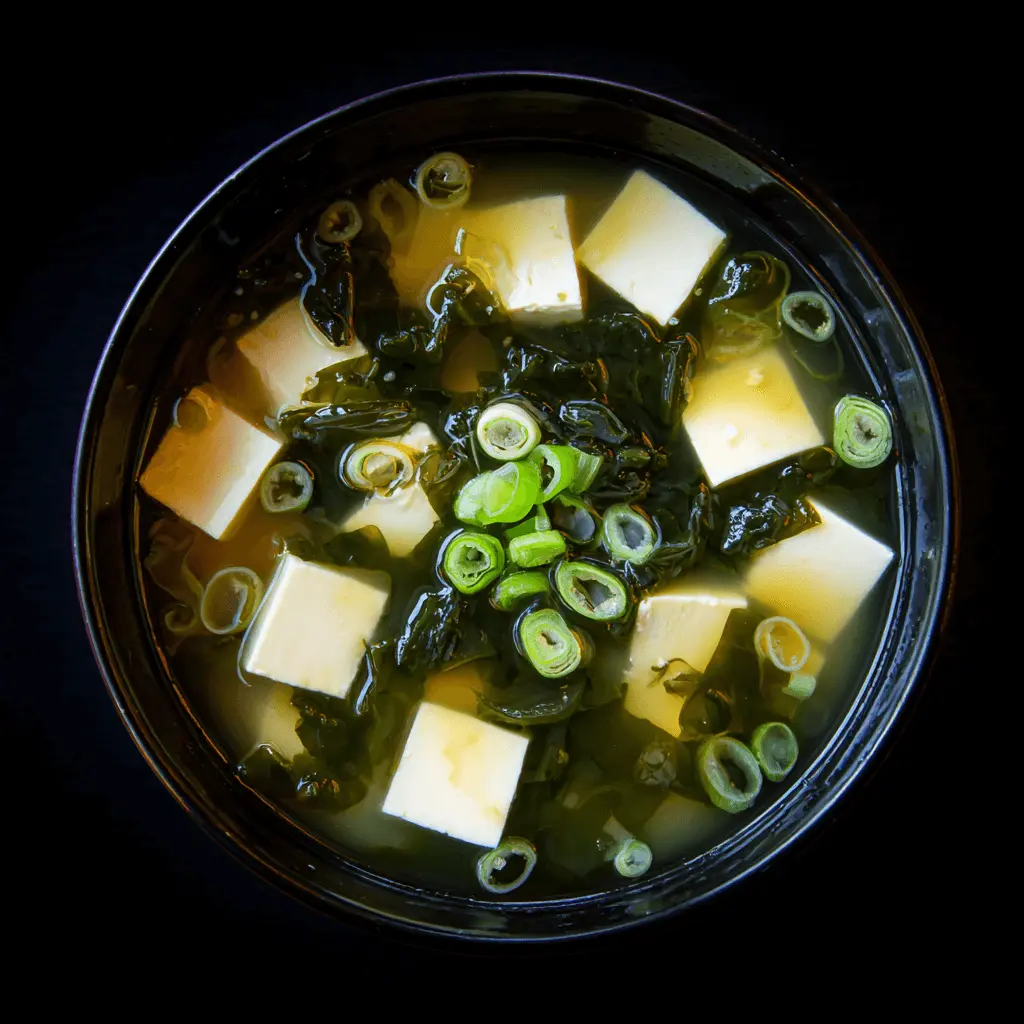
Authentic Homemade Miso Soup
Ingredients
Method
- Combine water and kombu in a medium pot. Let soak 30 minutes. Heat over medium-low and remove kombu just before boiling. Add katsuobushi, remove from heat, and steep 5–10 minutes. Strain through fine mesh.
- Hydrate wakame in warm water for ~5 mins and drain. Dice tofu into ½-inch cubes. Thinly slice green onion for garnish.
- Return dashi to pot over low heat. Add tofu and wakame; warm through. In a small bowl, mix miso paste with a ladleful of warm dashi. Stir until smooth, then return to pot. Stir gently.
- Ladle into bowls. Garnish with green onions and serve immediately. Do not boil the soup after adding miso.
Notes

Taya Bennett is the founder of YumEasyMeals, a platform dedicated to easy, delicious, and quick-to-prepare recipes for busy families. Passionate about everyday cooking, she simplifies meals with practical, accessible, and always delicious ideas.
Discover her creations at: yumeasymeals.com